Picking a diamond for an engagement ring can feel overwhelming. There are many shapes, sizes, colors and prices to think about. A diamond might look stunning in a store or online. There are key things to check before you make a final choice.
If you’re wondering how to choose the diamond for an engagement ring start with the 4Cs of diamonds: cut, color, clarity and carat. Also think about the diamond shape, certification, setting and your budget.
This 2026 diamond buying guide will walk you through the things to consider. That way you can pick a diamond that fits your style and budget.
Understand the 4Cs of a Diamond
The 4Cs are the important parts to know when buying a diamond for an engagement ring. They help you judge the diamond’s quality.
The 4Cs are:
- Cut
- Color
- Clarity
- Carat
Knowing these helps you compare diamonds not just pick one because it looks nice.
Choose the Right Diamond Cut
Cut is one of the important things. It affects how light the diamond reflects. A cut diamond can look bright and lively. A cut one might look dull even if it’s heavy.
When people say “cut ” they mean how the diamond’s proportions, angles, symmetry and finish let it catch and reflect light.
For people choosing the best diamond for an engagement ring means putting cut first.
Round brilliant diamonds are very popular. Their shape is made to sparkle a lot. Other shapes can also look beautiful depending on what you like.
Pick a Diamond Shape You Like
Shape is different from cut. Shape is the outline of the stone.
Popular diamond shapes for engagement rings include:
- Round
- Oval
- Princess
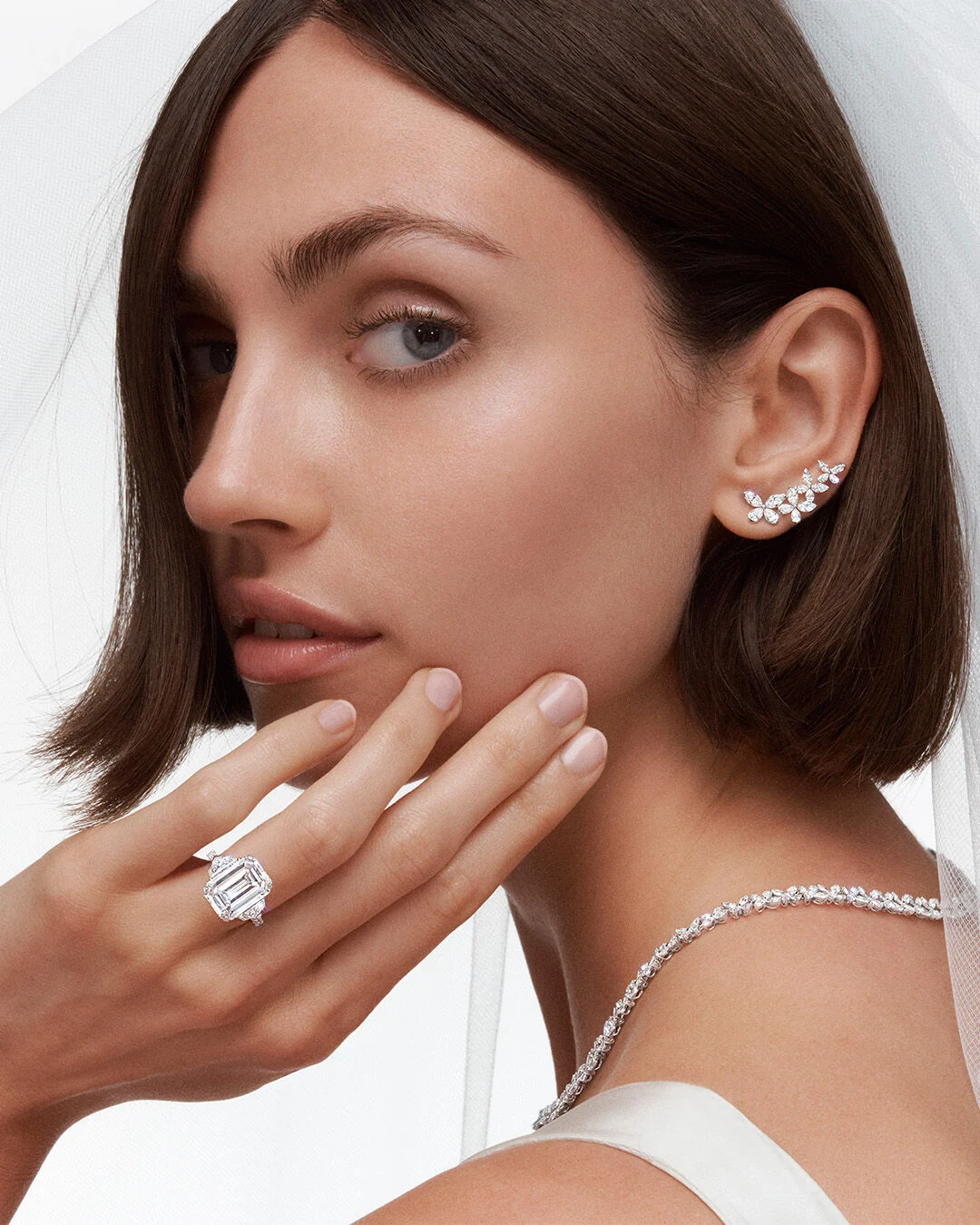
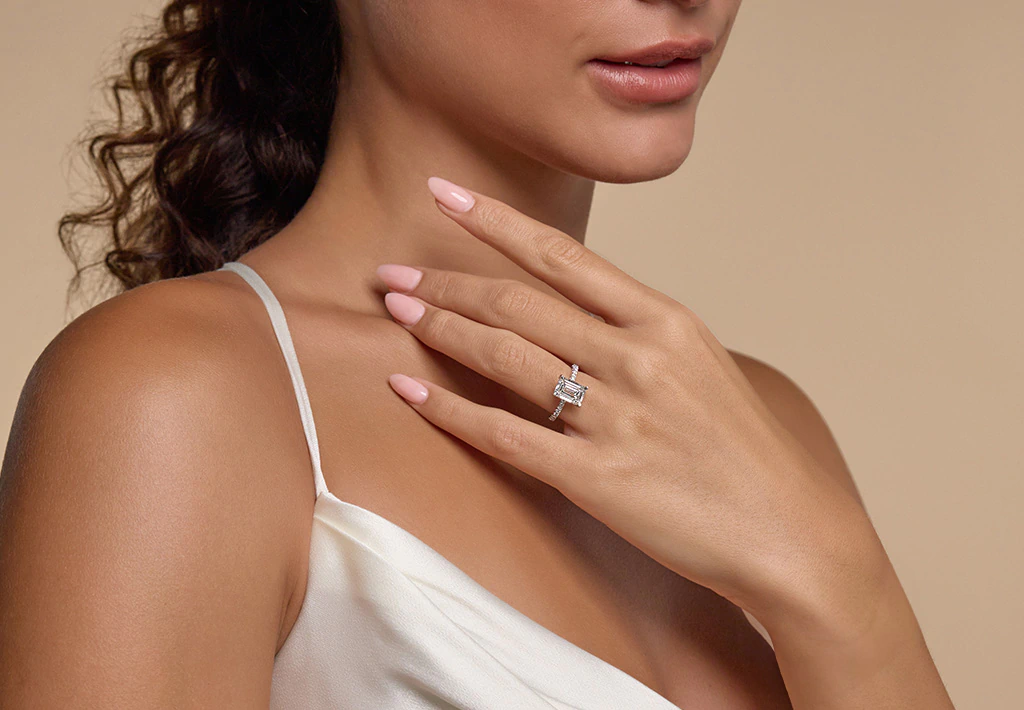
- Emerald
- Cushion
- Pear
- Marquise
- Radiant
- Asscher
- Heart
The round diamond* is still the classic choice. Oval, emerald, cushion and pear shapes can look more unique.
If you want something go with round. If you want something try oval, pear or marquise.
There’s no single best diamond shape for an engagement ring*. It depends on your taste, finger shape, ring setting and budget.
Understand Diamond Color
Color means how yellow or brown tint the diamond has. In the grading system diamonds go from D to Z. D is the colorless grade.
Higher color grades cost more. You don’t always need the top grade.
The metal of the ring also changes how the diamond looks. A diamond can look different in gold, platinum, yellow gold or rose gold.
When you’re choosing look at the diamond in its setting or with the metal color if possible.
Consider Diamond Clarity
Clarity is about the flaws inside (inclusions) and on the surface (blemishes) of the diamond.
Grades go from clear to those with visible flaws.
For an engagement ring you don’t have to pick the clarity. Some diamonds with grades still look clean to the eye.
So it’s smart to look at diamonds in person of just paying for a higher grade.
.
Decide on the Right Carat Weight
Carat is the weight of the diamond not how big it looks.
A bigger carat usually means weight and higher cost. Two diamonds with the same carat can look different in size because of their shape and cut.
If you have a budget try different carat weights and shapes to get the look you want.
For example oval or marquise diamonds can look larger from the top than a diamond with the same carat.
Natural vs Lab-Grown Diamonds
Another big choice in 2026 is whether to get a natural diamond or a lab-grown diamond*.
Natural diamonds form deep underground over millions of years. Lab-grown diamonds are made in labs using technology that creates the crystal structure and chemistry as natural diamonds.
They can differ in price origin. What matters to you.
If you want a stone without spending too much compare lab-grown and natural diamonds before deciding.
Choose a Diamond According to Your Budget
Before you start looking know how much you’re willing to spend.
A common mistake is shopping without a budget. Then falling for diamonds that cost way more than planned.
Instead plan your engagement ring budget and split it between:
- Diamond
- Ring setting
- Metal
- Certification
- Resizing
- Insurance or maintenance
Then compare diamonds in your price range.
Remember, a bigger diamond isn’t always better. Cut, appearance, shape and overall look matter a lot.
Check the Diamond Certification
When buying a diamond certification is important.
A report from a trusted lab gives details about the diamond’s 4Cs.
Before you buy make sure the report matches the diamond you’re seeing. Also check the report against what the seller says.
A certificate doesn’t replace your look but it helps you compare stones.
Think About the Engagement Ring Setting
The setting holds the diamond and affects how the whole ring looks.
Popular settings include:
Solitaire
A solitaire has the diamond alone in the center. It’s simple and classic.
Halo
A halo surrounds the center stone with diamonds. It makes the main stone look bigger. Adds sparkle.
Three-Stone
This has a center stone and two side stones. It often symbolizes past, present and future.
Pavé
Pavé uses diamonds set close together along the band adding extra shine.
Pick a setting that goes well with the diamond’s shape and your style.
Consider the Shape of the Finger
How a diamond looks can change based on finger shape and ring size.
Long shapes like oval pear and marquise can make fingers look longer. Round and cushion shapes look different.
These are just style tips, not rules. Try shapes and see what looks and feels right.
Compare Several Diamonds Before Buying
Don’t feel pressure to buy the diamond you see.
Compare a stones with similar specs. Check:
- Cut quality
- Shape
- Color
- Clarity
- Carat
- Price
- Certification
- Overall look
Two diamonds with the grades can still look different.
If you can look at them under lights and examine them closely before deciding.
Common Mistakes to Avoid
When buying a engagement ring diamond* don’t base your choice only on carat size.
Common mistakes are:
- Choosing size over cut quality
- Paying for clarity you can’t see
- Ignoring the diamond’s proportions
- Not checking the certification
- Buying without comparing prices
- Forgetting the cost of the setting
- Choosing a shape without trying it on
- Going over your budget
Taking time to compare helps you make a choice.
Final Thoughts
Knowing how to choose the diamond for an engagement ring gets easier once you understand the basics. Start with a budget. Then compare the 4Cs.
After that pick a shape. Setting that match your taste. Decide if you want an lab-grown diamond. Always check the grading report.
The goal isn’t to find the diamond. It’s to find one that looks good is quality fits your style and gives you good value in 2026.
FAQs
What is the important factor when choosing an engagement ring diamond?
Cut is key because it affects how bright and lively the diamond looks. The best choice depends on your balance of cut, color, clarity, carat, shape and budget.
What is the best diamond shape for an engagement ring?
Round, oval, princess, cushion, emerald, pear and marquise are all popular. The best one is the one that matches your style and what you like.
Is a carat diamond always better?
No. Carat is about weight, not quality. A cut smaller diamond can look better, than a poorly cut larger one.
Should I choose an lab-grown diamond?
Both options are worth considering. Natural diamonds come from the earth formed over millions of years. Lab-grown diamonds are made using technology that mimics the natural conditions. The price and what people prefer can vary between them.
What are the 4Cs of diamonds?
The 4Cs stand for cut, color, clarity and carat. These four factors are used to describe and judge the quality of a diamond. Each one plays a role in how a diamond looks and how much it costs.
Should an engagement ring diamond have a certificate?
For something important as an engagement ring getting a certificate is a good idea. A grading report from a trusted lab gives clear details, about the diamond. It helps you understand what you’re buying and makes it easier to compare stones.