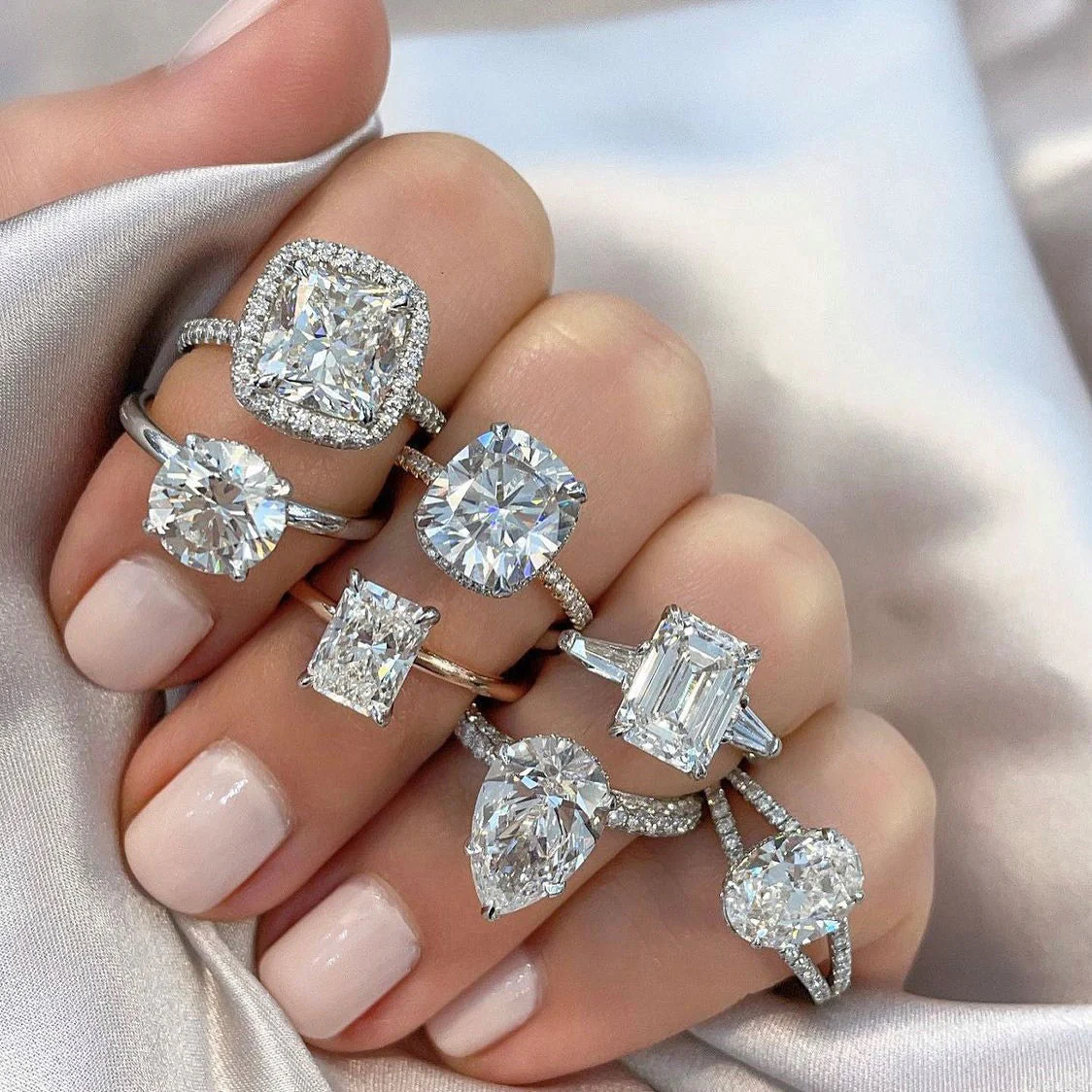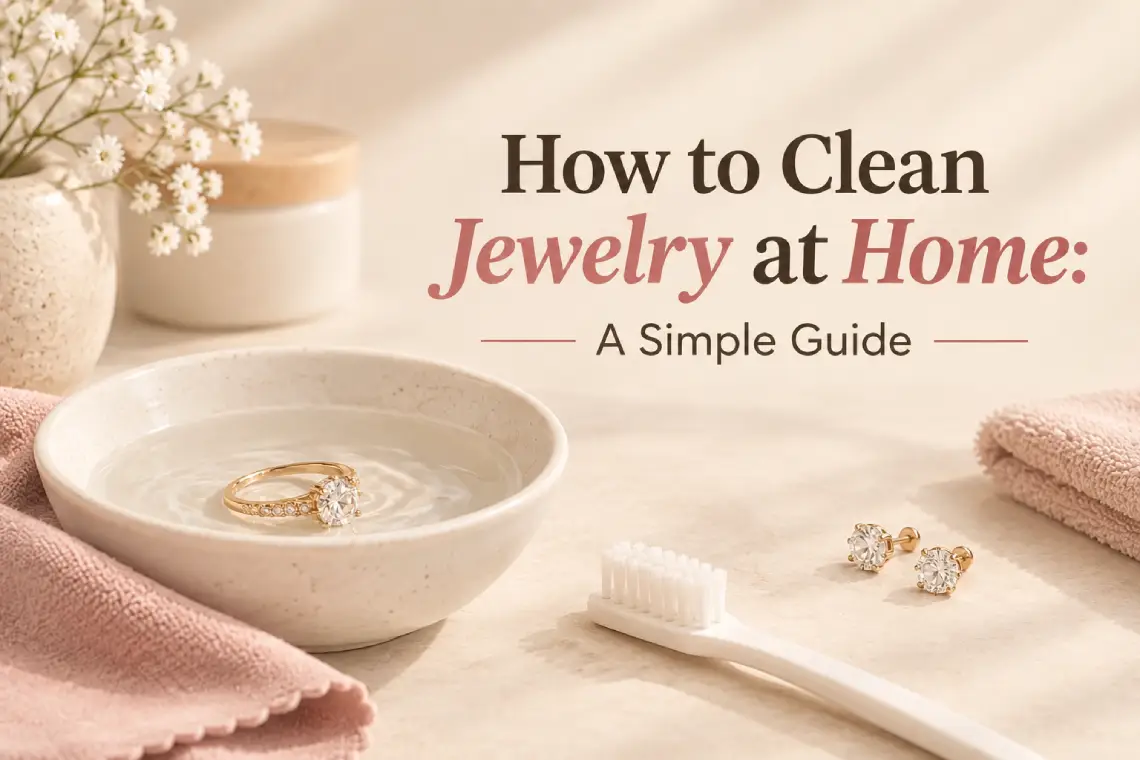
Jewelry naturally collects dust, sweat, body oils, makeup, lotion, and other residue during everyday wear. Over time, this buildup can make rings, necklaces, earrings, and bracelets look dull.
The good news is that cleaning jewelry at home can be simple. Many durable pieces can be cleaned with lukewarm water, mild dish soap, a soft brush, and a clean cloth.
However, there is no single method that works for every type of jewelry. Gold, silver, diamonds, pearls, gemstones, and gold-plated pieces can have different care requirements.
This guide explains how to clean jewelry at home, which methods are suitable for common jewelry types, and when professional cleaning is a better choice.
Quick Jewelry Cleaning Guide
Use this table as a starting point, but always check the care instructions for your specific piece.
Jewelry Type | Basic Cleaning Method | Avoid |
Gold | Mild soap + lukewarm water + soft brush | Harsh chemicals |
Silver | Soft polishing cloth | Aggressive scrubbing |
Diamond | Mild soap + soft brush | Cleaning loose settings |
Pearl | Soft, slightly damp cloth | Soaking |
Gold-plated | Gentle cloth | Hard brushing |
Gemstones | Stone-specific care | Unknown chemicals |
Costume jewelry | Gentle surface cleaning | Excessive water |
Important: If a piece is antique, valuable, damaged, treated, or made with an unfamiliar gemstone, check the manufacturer’s instructions or ask a professional jeweler before cleaning it.
Why Does Jewelry Get Dirty?
Jewelry is exposed to many things throughout the day.
Body oils and sweat can build up on rings and bracelets. Makeup and lotions can leave residue on necklaces and earrings, while perfume and hairspray can affect some metals and finishes.
Dust can also collect around gemstone settings, clasps, and other small areas.
Silver jewelry has an additional issue: it can develop tarnish when the metal reacts with substances in the surrounding environment.
Regular jewelry cleaning helps remove surface buildup and can keep suitable pieces looking brighter.
What You Need to Clean Jewelry at Home
For many durable pieces, you can start with a few basic items:
- Small bowl
- Lukewarm water
- Mild dish soap
- Soft toothbrush
- Microfiber or soft cotton cloth
- Clean towel
These basic supplies are enough for many simple cleaning jobs.
Avoid using abrasive powders, rough brushes, or strong household chemicals unless the jewelry manufacturer specifically recommends them.
Lorem ipsum dolor sit amet, consectetur adipiscing elit. Ut elit tellus, luctus nec ullamcorper mattis, pulvinar dapibus leo.
What Is the Best Homemade Jewelry Cleaner?
For many durable pieces, one of the simplest options is a mixture of mild dish soap and lukewarm water.
Add a small amount of mild dish soap to lukewarm water and mix it gently. The solution can help loosen oils and everyday dirt without requiring harsh chemicals.
However, a homemade jewelry cleaner is not automatically suitable for every material.
Pearls, some gemstones, antique jewelry, glued components, and certain treated stones may need different care. If you do not know what your jewelry contains, do not experiment with a cleaning solution.
How to Clean Jewelry at Home Step by Step
1. Check the Jewelry First
Before adding water, inspect the piece carefully.
Look for:
- Loose gemstones
- Damaged settings
- Cracks
- Broken clasps
- Missing stones
- Delicate or unusual materials
If a stone is loose or the setting is damaged, skip home cleaning and have the piece inspected.
2. Prepare the Cleaning Solution
Fill a small bowl with lukewarm water and add a small amount of mild dish soap.
Do not use boiling or very hot water. Some jewelry and gemstones require more careful temperature control.
3. Soak Suitable Jewelry
For appropriate durable pieces, place the jewelry in the solution for a few minutes.
This can loosen dirt and oils that have collected on the surface.
Do not soak jewelry simply because it looks dirty. First make sure the material is suitable for water exposure.
4. Gently Brush the Jewelry
Use a soft toothbrush and gentle movements.
Focus on areas where dirt commonly collects, including:
- Under gemstone settings
- Around prongs
- Ring bands
- Clasps
- Earring backs
Avoid applying excessive pressure.
5. Rinse Carefully
Rinse the piece with clean water to remove any remaining soap.
If you are working near a sink, close or cover the drain first. Small jewelry pieces can easily slip away.
6. Dry Completely
Pat the jewelry dry with a soft towel.
A microfiber cloth can help remove remaining moisture. Let the piece dry completely before placing it in storage.
How to Clean Gold Jewelry
When learning how to clean gold jewelry, gentle cleaning is usually the safest approach for suitable pieces.
Place the gold jewelry in lukewarm water mixed with a small amount of mild dish soap. Let it sit briefly, then gently clean it with a soft toothbrush.
Rinse with clean water and dry with a soft cloth.
Avoid bleach, abrasive cleaners, rough brushes, and strong chemicals. These can damage the surface or finish.
If the jewelry is gold-plated rather than solid gold, use the gentler method described below.
How to Clean Silver Jewelry
Silver jewelry can become dull or develop a dark surface because of tarnish.
For light buildup, a soft jewelry-polishing cloth can be a simple option. Use a cleaning product only if it is appropriate for the particular silver piece.
Avoid aggressive polishing, especially on antique, engraved, oxidized, or highly detailed jewelry. Excessive polishing can alter the surface or remove intentional dark detailing.
How to Clean Tarnished Jewelry
Tarnishing is particularly common with silver.
For lightly tarnished jewelry, a suitable silver-polishing cloth can help restore its appearance.
Do not automatically use abrasive DIY recipes on heavily tarnished jewelry. Baking soda, salt, toothpaste, and other popular household methods can be too abrasive for some surfaces.
If the jewelry is valuable, antique, plated, engraved, or heavily tarnished, professional advice is a safer option.
How to Clean Diamond Jewelry
Diamonds can collect oils and dirt around the stone and setting, which can reduce their sparkle.
For many durable diamond jewelry pieces, lukewarm water and mild dish soap can be used for gentle cleaning. A soft toothbrush can help clean around the setting.
Pay particular attention to the underside of the stone, where buildup can collect.
Before cleaning, check that the diamond is secure. If it moves or the setting looks damaged, do not clean it at home.
For readers who are also choosing an engagement ring, Jobzapx’s How to Choose the Right Diamond for an Engagement Ring in 2026 can provide additional buying guidance.
How to Clean Gold-Plated Jewelry
Gold-plated jewelry needs extra care because the gold layer on the surface can be thin.
Instead of soaking or scrubbing, gently wipe the piece with a soft cloth when appropriate.
Avoid:
- Hard brushes
- Abrasive cleaners
- Strong chemicals
- Excessive rubbing
- Long exposure to water
Perfume, lotions, sweat, and frequent moisture can contribute to wear. Put beauty products on first and jewelry on afterward whenever possible.
How to Clean Pearl Jewelry
Pearls are more delicate than many metals and gemstones.
Do not use harsh chemicals, abrasive cleaners, or aggressive brushing. Avoid prolonged soaking.
After wearing pearl jewelry, gently wipe it with a soft, slightly damp cloth and allow it to dry naturally.
Perfume, hairspray, makeup, and lotions should ideally be applied before putting pearls on.
How to Clean Gemstone Jewelry
Gemstones do not all have the same cleaning requirements.
Some can be sensitive to heat, chemicals, sudden temperature changes, or prolonged exposure to water. Treatments applied to certain gemstones can also affect how they should be cleaned.
Before cleaning gemstone jewelry, identify the stone and follow its recommended care instructions.
If you are unsure about the gemstone, do not use an unfamiliar cleaning product. A soft cloth is often a safer starting point.
How to Clean Costume Jewelry
Costume jewelry can contain plated metals, glued stones, coatings, and other materials that may not react well to water.
Avoid automatically soaking these pieces.
Instead, gently wipe the surface with a soft cloth and follow any available manufacturer instructions.
Keep costume jewelry away from perfume, lotions, excessive moisture, and household chemicals.
Jewelry You Should Not Soak
Avoid soaking jewelry when:
- The gemstone is unknown
- The piece contains pearls
- A stone or setting is loose
- The jewelry is antique
- The piece contains glued components
- The jewelry has a delicate coating
- Manufacturer instructions say to keep it dry
When there is uncertainty, professional advice is preferable to testing a homemade cleaning method.
Cleaning Methods to Avoid
Some popular DIY cleaning tips can be too aggressive for jewelry.
Toothpaste
Toothpaste can contain abrasive ingredients that may scratch certain metals or finishes.
Baking Soda
Baking soda is commonly recommended online, but its abrasive nature means it should not automatically be used on every jewelry surface.
Vinegar
Vinegar is acidic and is not suitable for every metal, gemstone, coating, or jewelry construction.
Bleach
Bleach and other strong chemicals can damage jewelry and should not be treated as general-purpose jewelry cleaners.
Boiling Water
Very high temperatures can be unsuitable for some gemstones and jewelry constructions.
The safest approach is to choose the mildest cleaning method that is appropriate for the specific material.
How Often Should You Clean Jewelry?
There is no universal cleaning schedule.
Jewelry worn every day usually collects more oils, sweat, and product residue than pieces worn occasionally.
A practical routine is:
- Everyday jewelry: clean when visible buildup appears
- Engagement rings: inspect regularly and clean as needed
- Silver jewelry: check for tarnish regularly
- Pearls: gently wipe after wearing
- Special occasion jewelry: clean before storing when appropriate
Cleaning too frequently or using the wrong method can be just as problematic as leaving jewelry dirty.
How to Keep Jewelry Clean for Longer
Good jewelry care can reduce buildup and help protect your pieces.
Put Jewelry on Last
Apply perfume, lotion, makeup, hairspray, and similar products before putting jewelry on.
Remove Jewelry for Certain Activities
Take jewelry off before swimming, showering when appropriate, exercising, gardening, or working with household chemicals.
Store Pieces Separately
Keep jewelry in a clean, dry place. Separate compartments or soft pouches can reduce scratches and tangling.
Keep Silver Dry
Store silver jewelry in a dry environment when you are not wearing it.
Check Settings Regularly
Inspect gemstone jewelry from time to time. A loose stone or damaged setting should be handled before the jewelry is worn or cleaned.
If you are purchasing a ring and need help with sizing, Jobzapx’s How to Measure Ring Size at Home: A Simple Guide can be used as a related resource.
When Should You Use Professional Jewelry Cleaning?
Home cleaning is not the best option for every piece.
Consider a professional jeweler when:
- A gemstone is loose
- The setting is damaged
- The jewelry is antique
- The piece is highly valuable
- The material is unknown
- The jewelry has a special finish
- You are unsure which cleaning method is safe
- The manufacturer recommends professional cleaning
Professional cleaning may also provide an opportunity to have gemstone settings and clasps inspected.
Frequently Asked Questions
What is the easiest way to clean jewelry at home?
For many suitable jewelry pieces, mix a small amount of mild dish soap with lukewarm water. Gently clean the piece with a soft brush, rinse it carefully, and dry it with a soft cloth.
What is the best homemade jewelry cleaner?
For many durable pieces, diluted mild dish soap and lukewarm water is a simple option. It should not be treated as a universal cleaner because different metals, gemstones, and finishes require different care.
How do I clean gold jewelry at home?
For suitable gold jewelry, use lukewarm water and mild dish soap. Gently brush the piece with a soft toothbrush, rinse it, and dry it with a soft cloth.
How do I clean silver jewelry?
For light dirt or tarnish, a suitable silver-polishing cloth can be used. Avoid aggressive polishing, particularly on antique or detailed pieces.
How do I clean tarnished jewelry?
The correct method depends on the metal. Lightly tarnished silver can often be cleaned with a suitable polishing cloth. Valuable, antique, plated, or heavily tarnished jewelry should be handled more carefully.
Can I use baking soda to clean jewelry?
It is better not to use baking soda automatically. Because it can be abrasive, it may scratch or affect some jewelry surfaces.
Can I use vinegar to clean jewelry?
Vinegar is acidic and is not suitable for every type of jewelry. Check the care instructions before using it.
Can I clean pearls with soap and water?
Pearls need more delicate care than many durable jewelry pieces. Avoid prolonged soaking and harsh cleaning products. A soft, slightly damp cloth is a gentler option for basic surface cleaning.
How often should I clean my jewelry?
Clean jewelry when dirt or buildup becomes noticeable, with frequency depending on how often you wear the piece and its material. Everyday jewelry generally needs more attention than occasional-wear pieces.
When should I take jewelry to a professional?
If the jewelry is valuable, antique, damaged, unfamiliar, or has a loose stone or special finish, professional advice is safer than experimenting with a home cleaning method.
Final Thoughts
Learning how to clean jewelry at home does not have to involve complicated products or expensive equipment. For many suitable pieces, mild dish soap, lukewarm water, a soft brush, and a clean cloth are enough to remove everyday dirt and buildup.
The most important part of jewelry cleaning is knowing what you are cleaning. Gold, silver, diamonds, pearls, gemstones, gold-plated jewelry, and costume jewelry can require different methods.
Avoid harsh chemicals, abrasive DIY cleaners, excessive scrubbing, and unnecessary soaking. When a piece is valuable, antique, delicate, damaged, or difficult to identify, professional advice is the safer choice.
With gentle cleaning, proper storage, and consistent jewelry care, you can help your favorite pieces stay clean and maintain their appearance for longer.